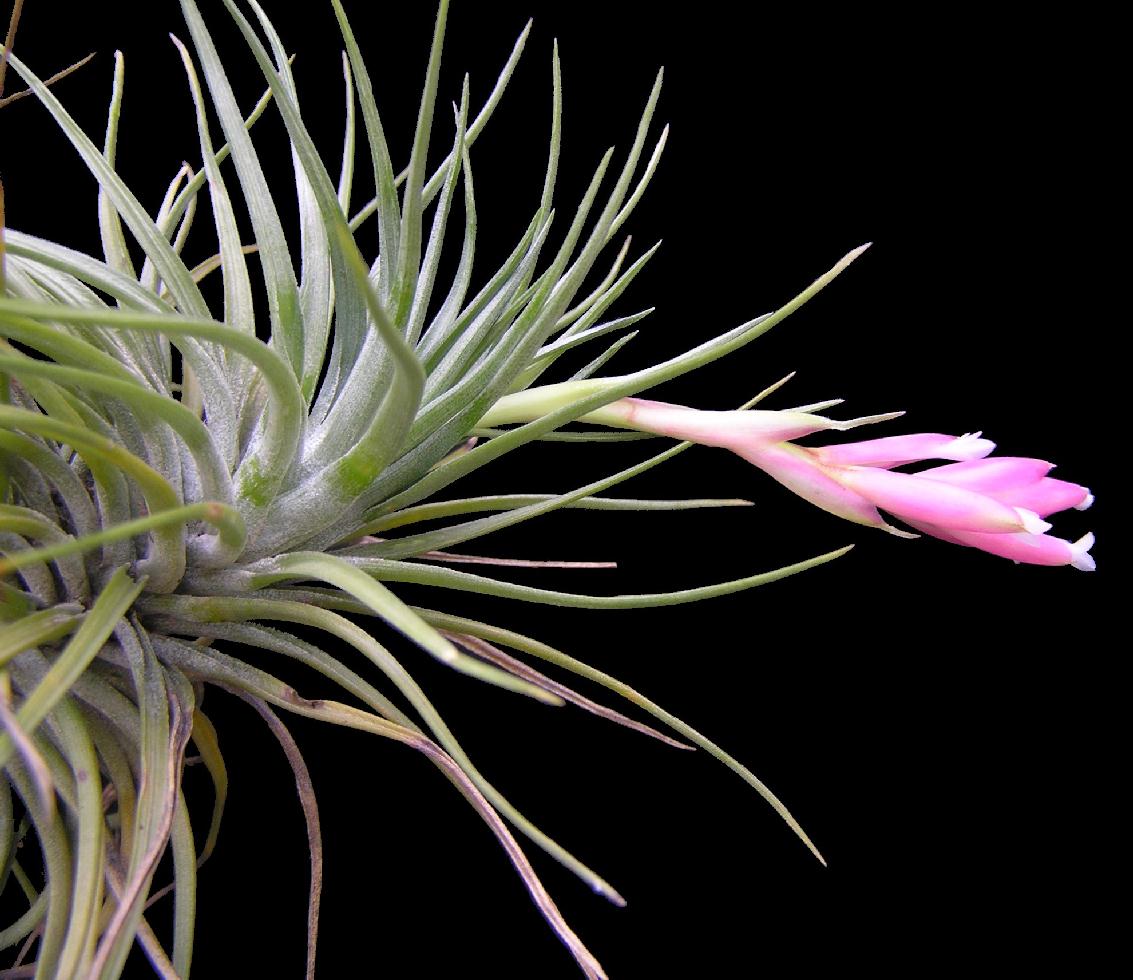
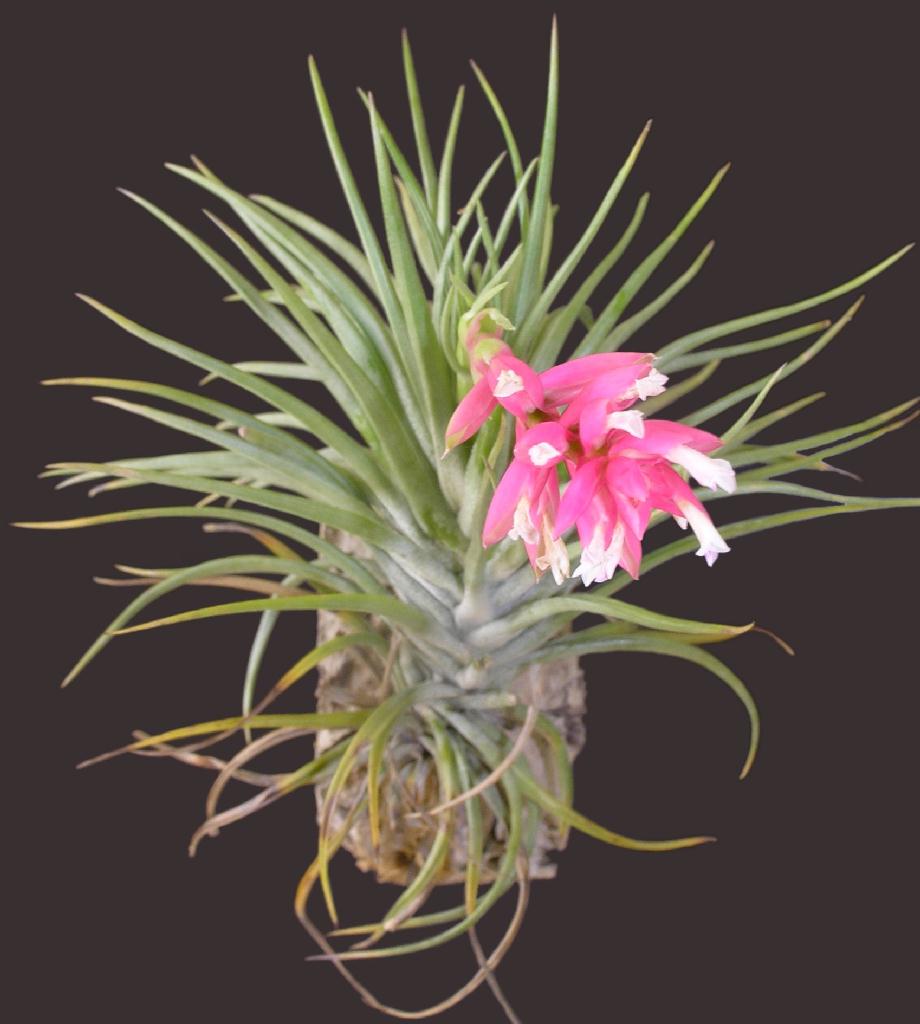
Tillandsia araujei
Click thumbnails for full size, scaled to a new window.
Tillandsia araujei
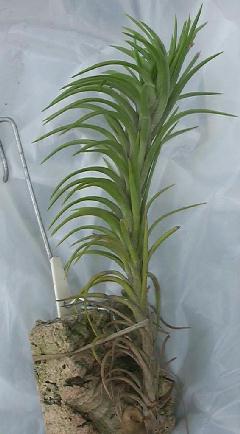
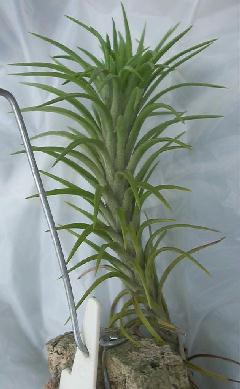
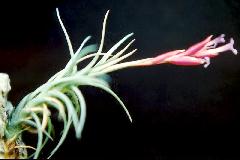
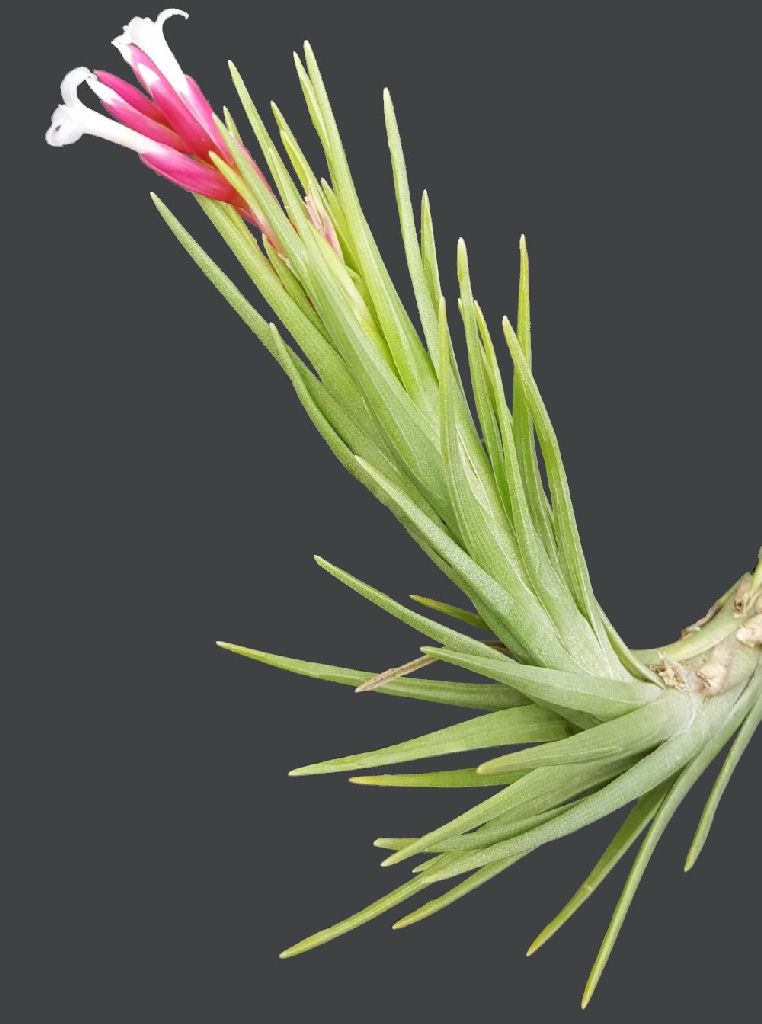
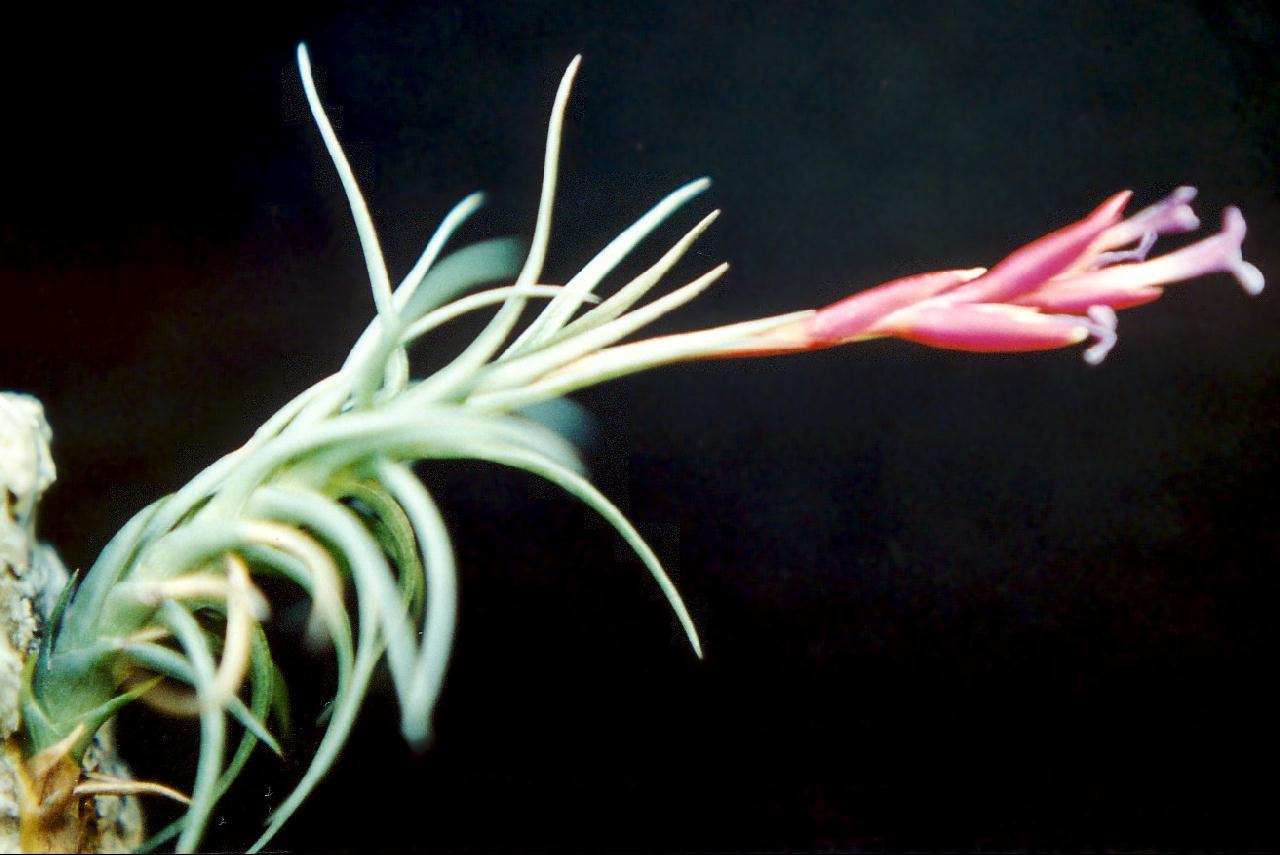
| Ian Hook, Sydney 11/02. |
Ken Woods. Probably a hybrid. 08/04 |
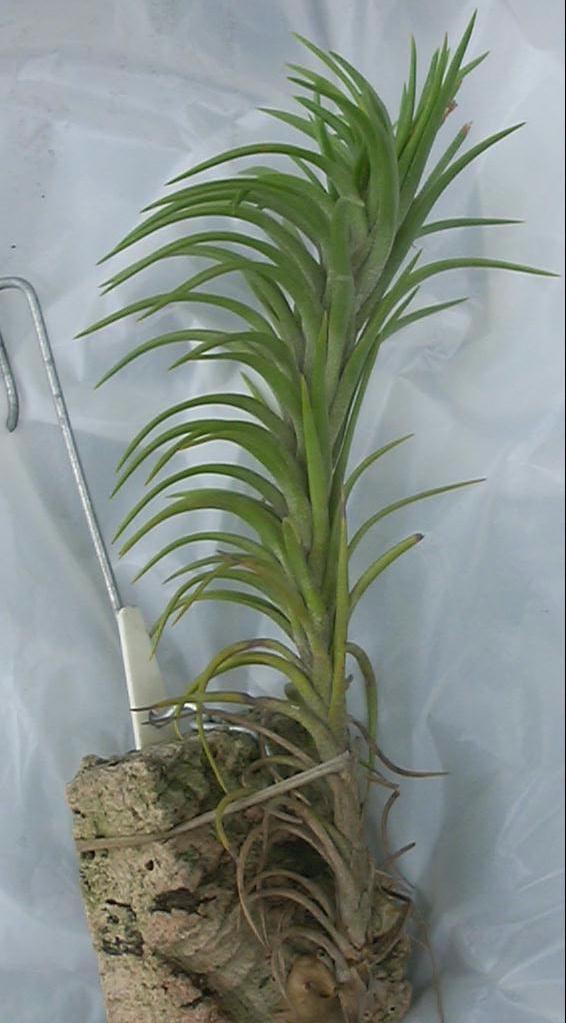
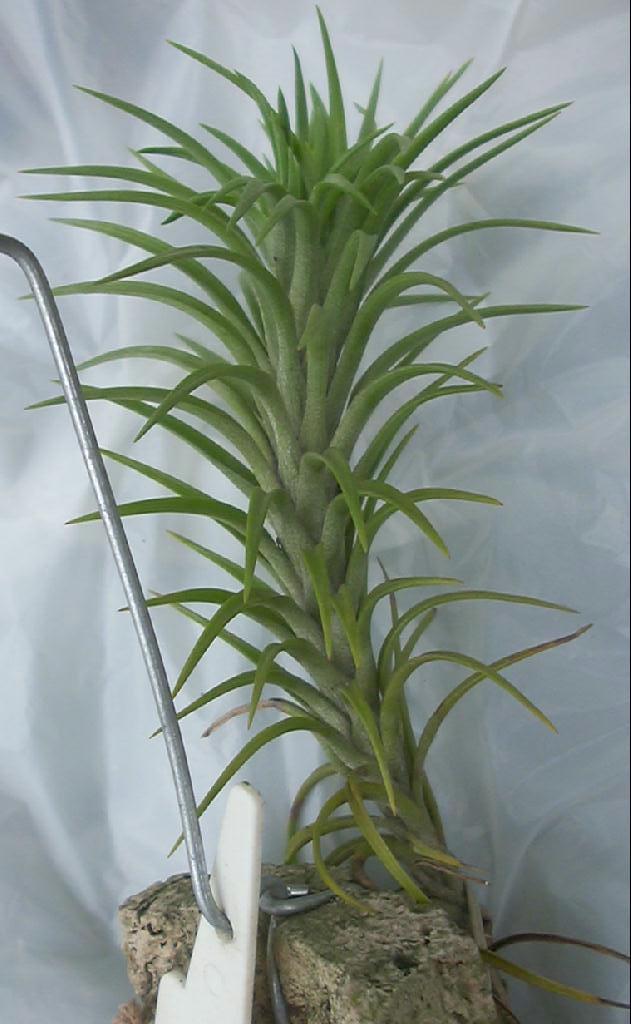
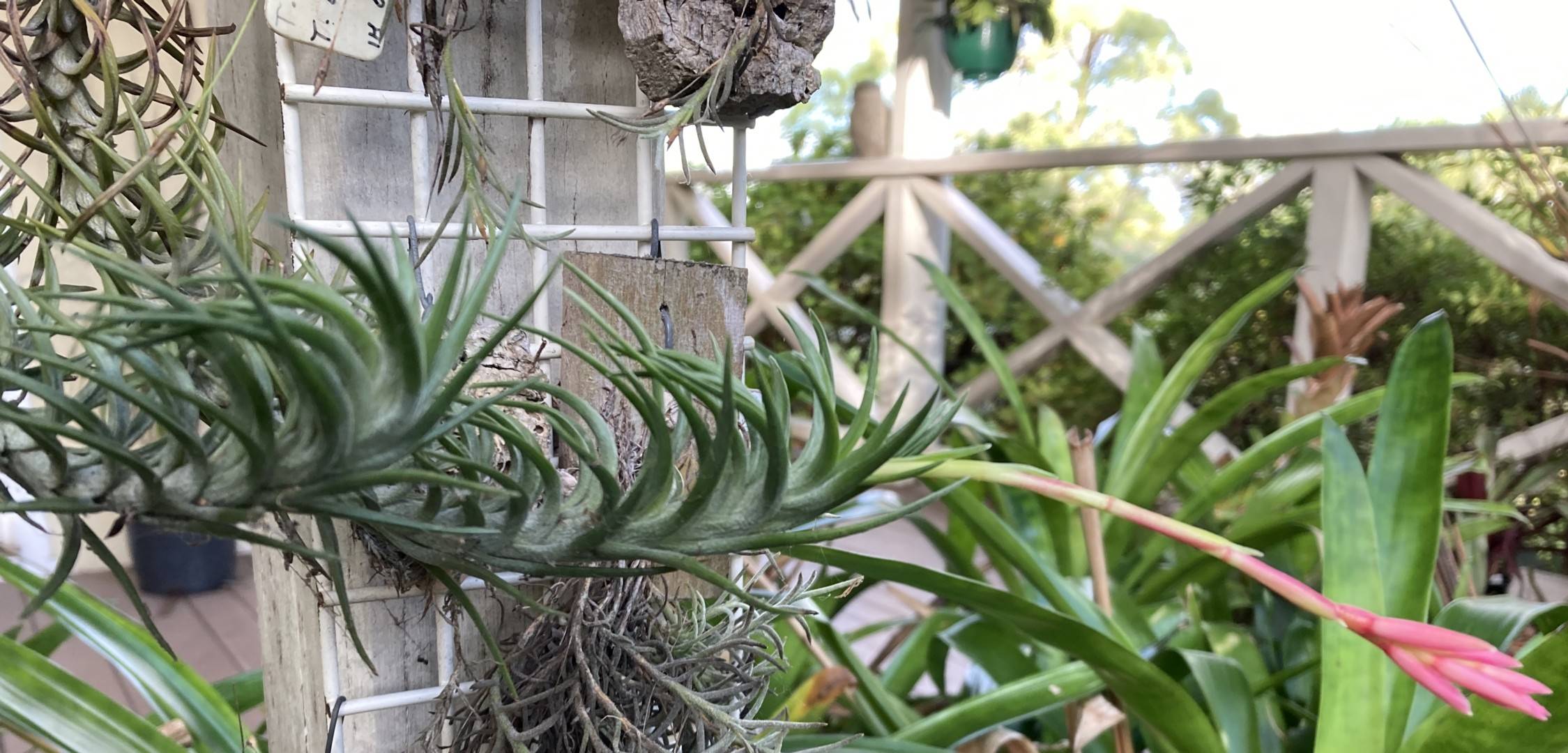
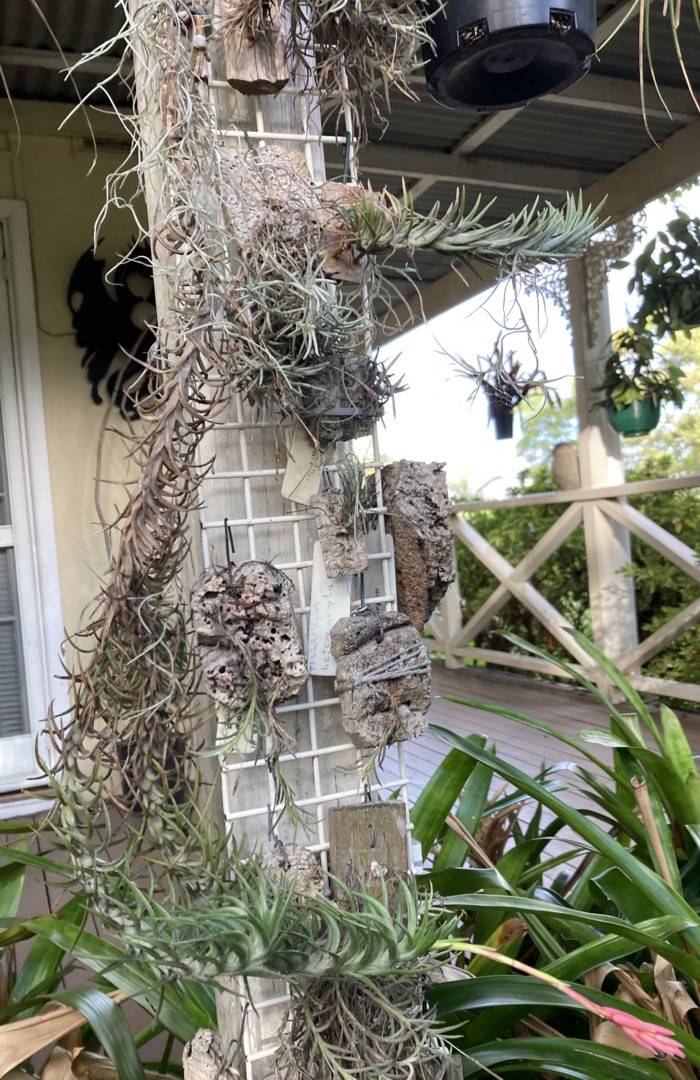
Chris Larson 05/18 Giant form |
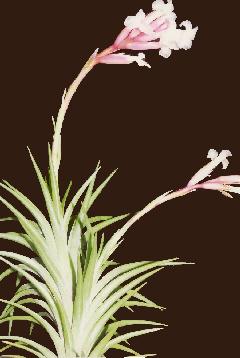
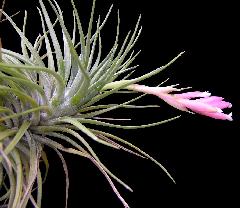
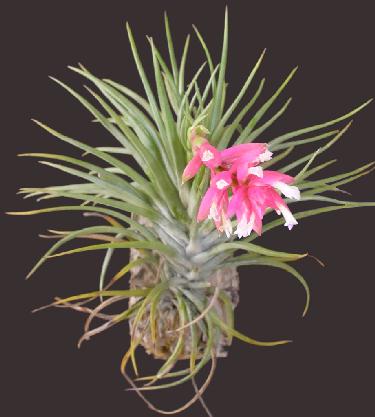
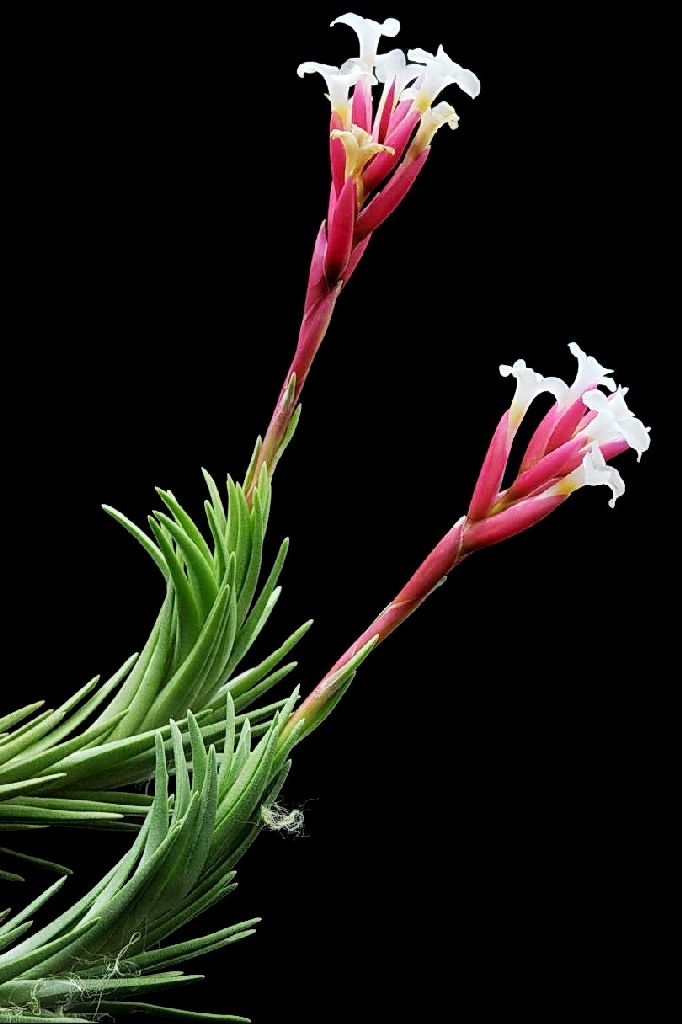
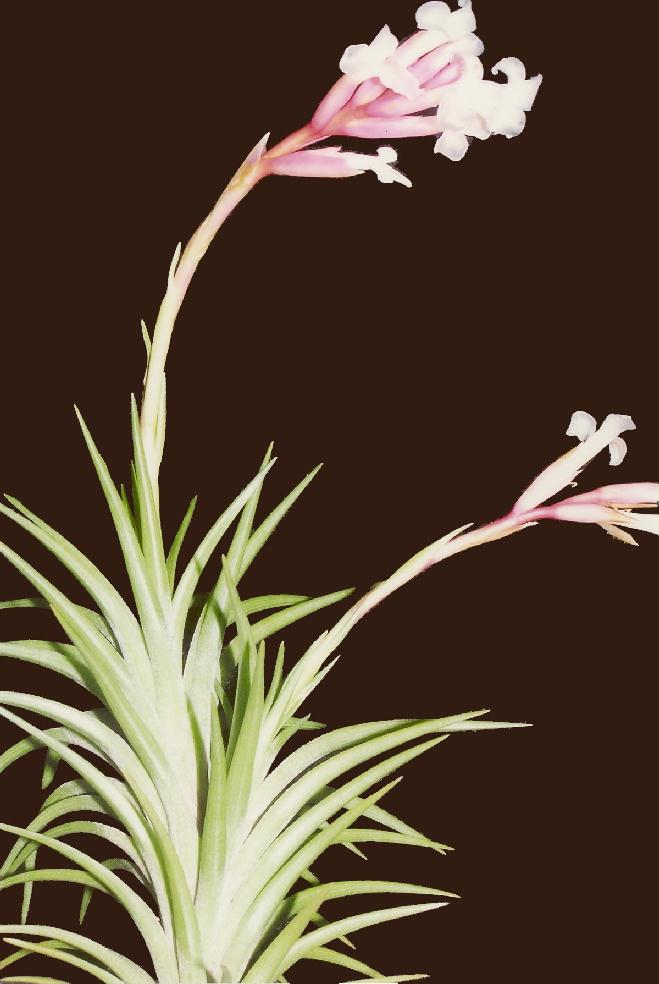
| Ken Woods 02/09. |
Ken Woods 05/11. |
Peter Tristram 04/12. From Germany. |
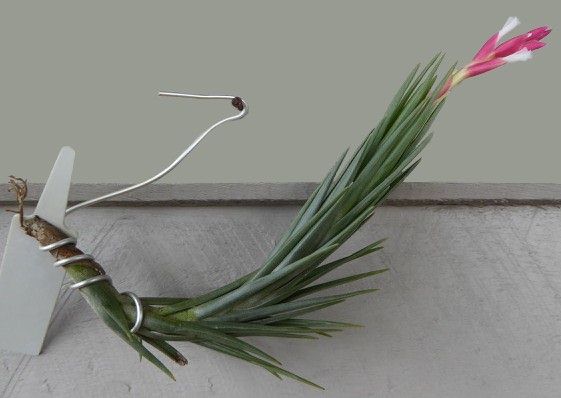
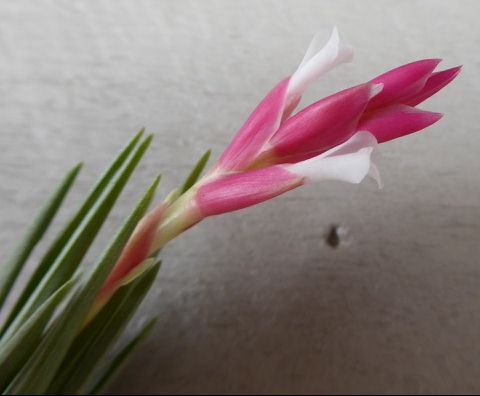
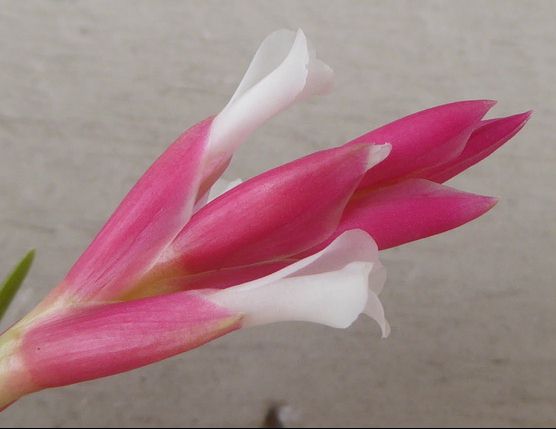
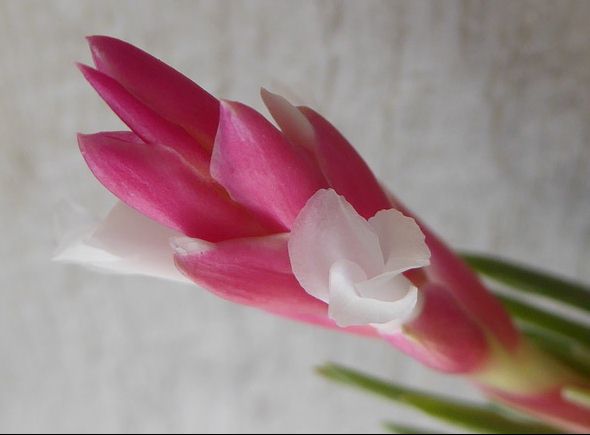
| Bruce Dunstan 03/18 T. sp. aff. araujei Selby |
Bruce Dunstan ... "First flowering for me of this plant. Peter Tristram told me he got it from Harry Luther. The foliage is quite distinct and reminds me a little of T. burle-marxii more than the other forms of T. araujei I grow."
Justin Lee ... "Nice little plant, Bruce."
Peter Tristram ... "I am sure this 'nice little plant', as Justin accurately commented, has a species name now. I got it from HEL ages ago. It is like a giant araujei, with leaves like armour plating, though I haven’t compared it to the description – next blooming! There’s a photo in the dvd - T. araujei MSBG1986-0084A. I wonder if it’s this plant?"

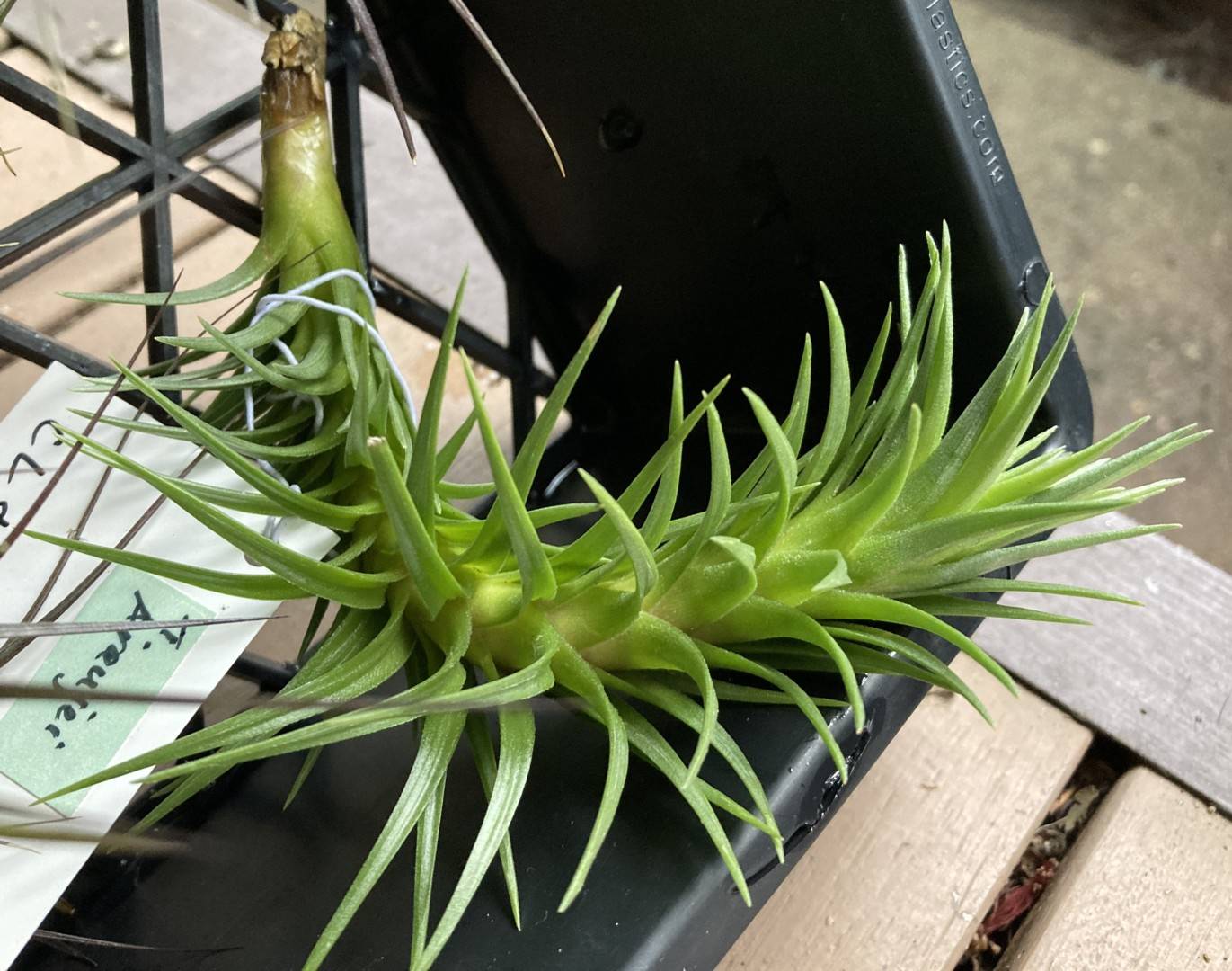
| Rob Bower 01/19 |
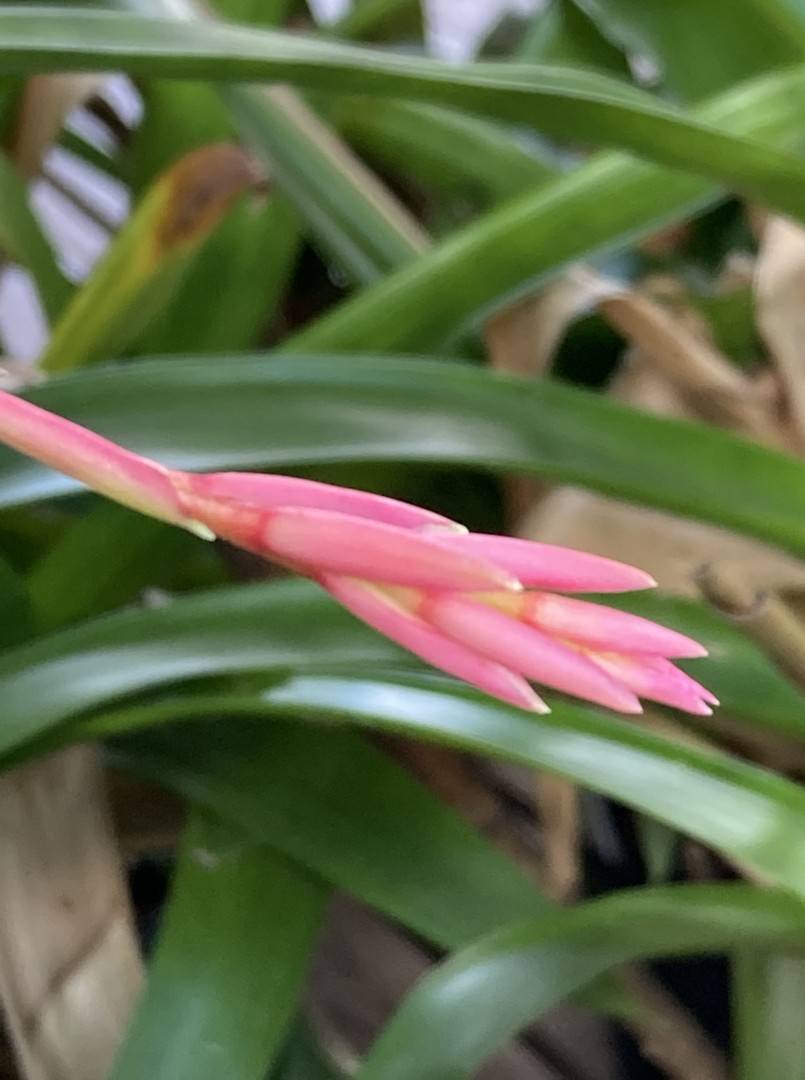
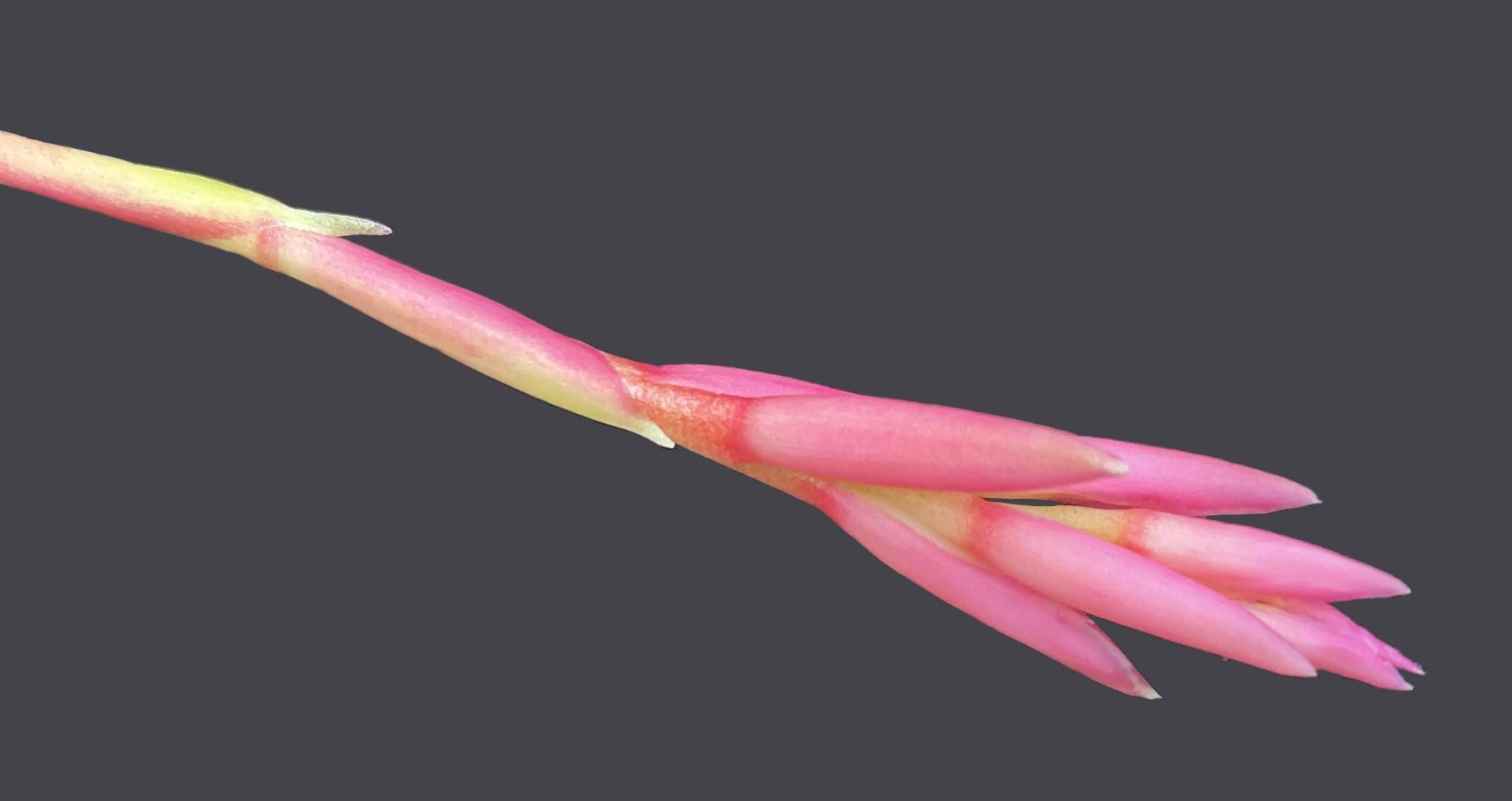
Chris Larson 05/26 |
Rob Bower ... "araujei ??"
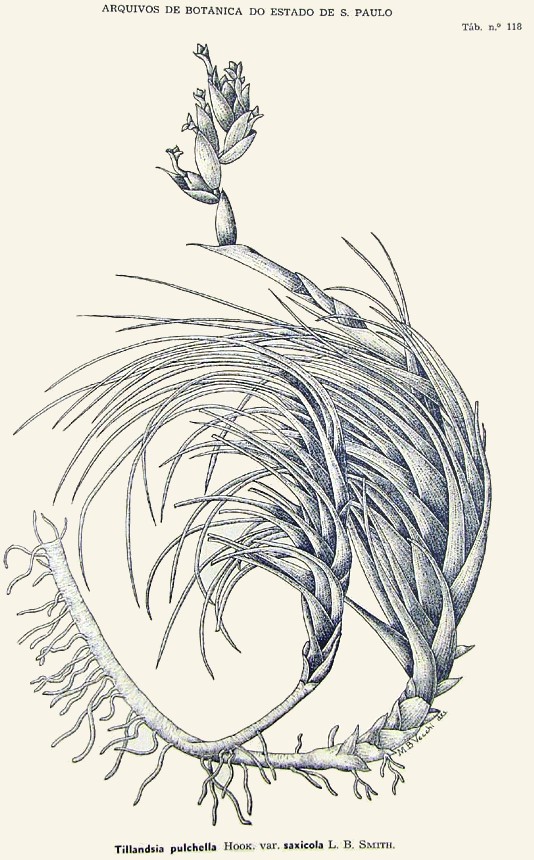
Bob Hudson ... "Hi Rob, very nice clump. This looks like what I have been growing as araujei but last year during flowering time Barry Gen told a Tillandsia meeting it is tenufolia v. saxicola. Would anyone else like {perhaps Derek} to elaborate on this."
Derek Butcher ... "How long is a piece of string? All tenuifolias are said to have an inflorescence about the length of the leaves. T. araujei is said to exceed. Eric Gouda loves this group and has a key- see attached. When I grew var saxicola it had a longish peduncle but araujei was generally longer!"
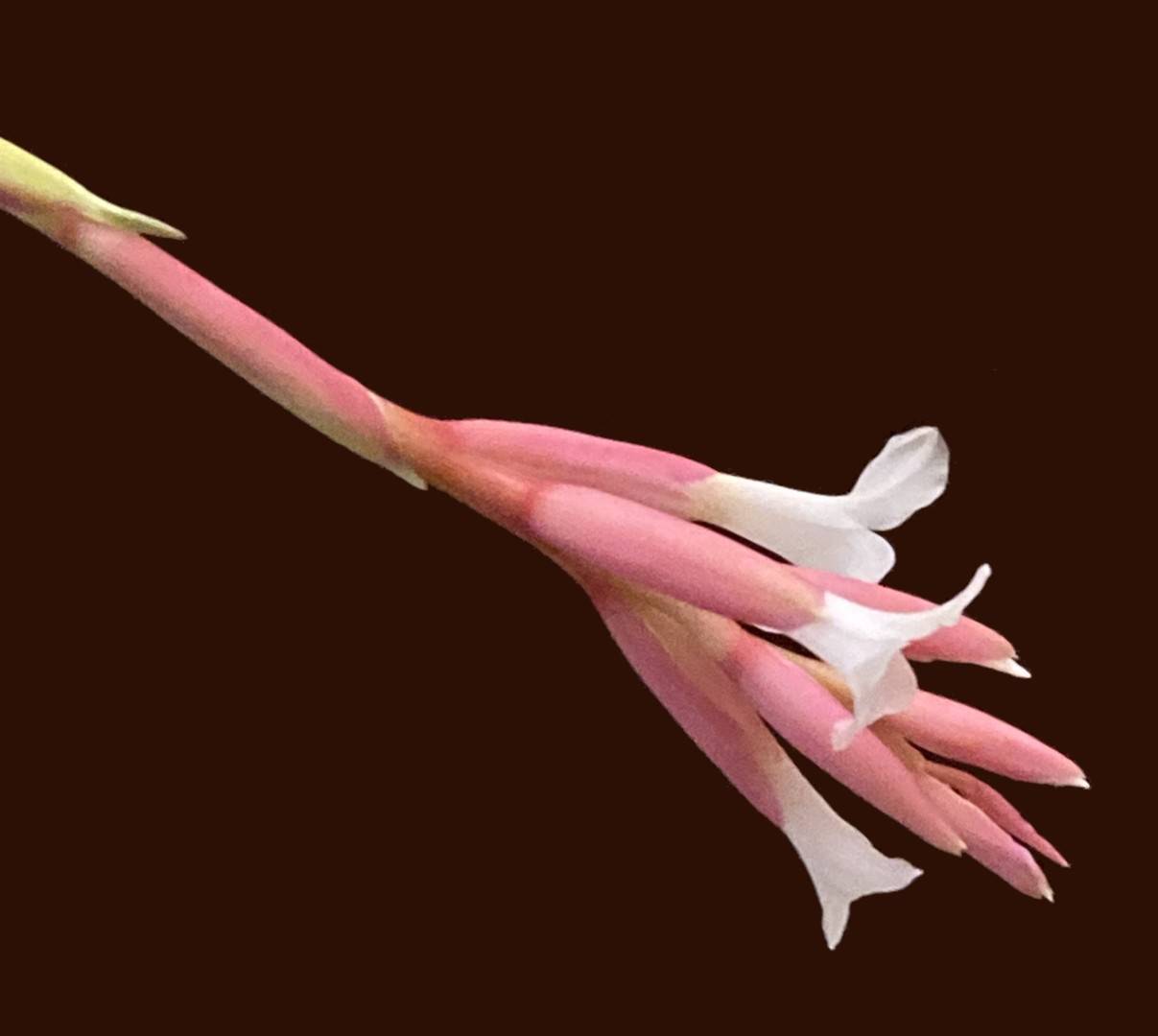
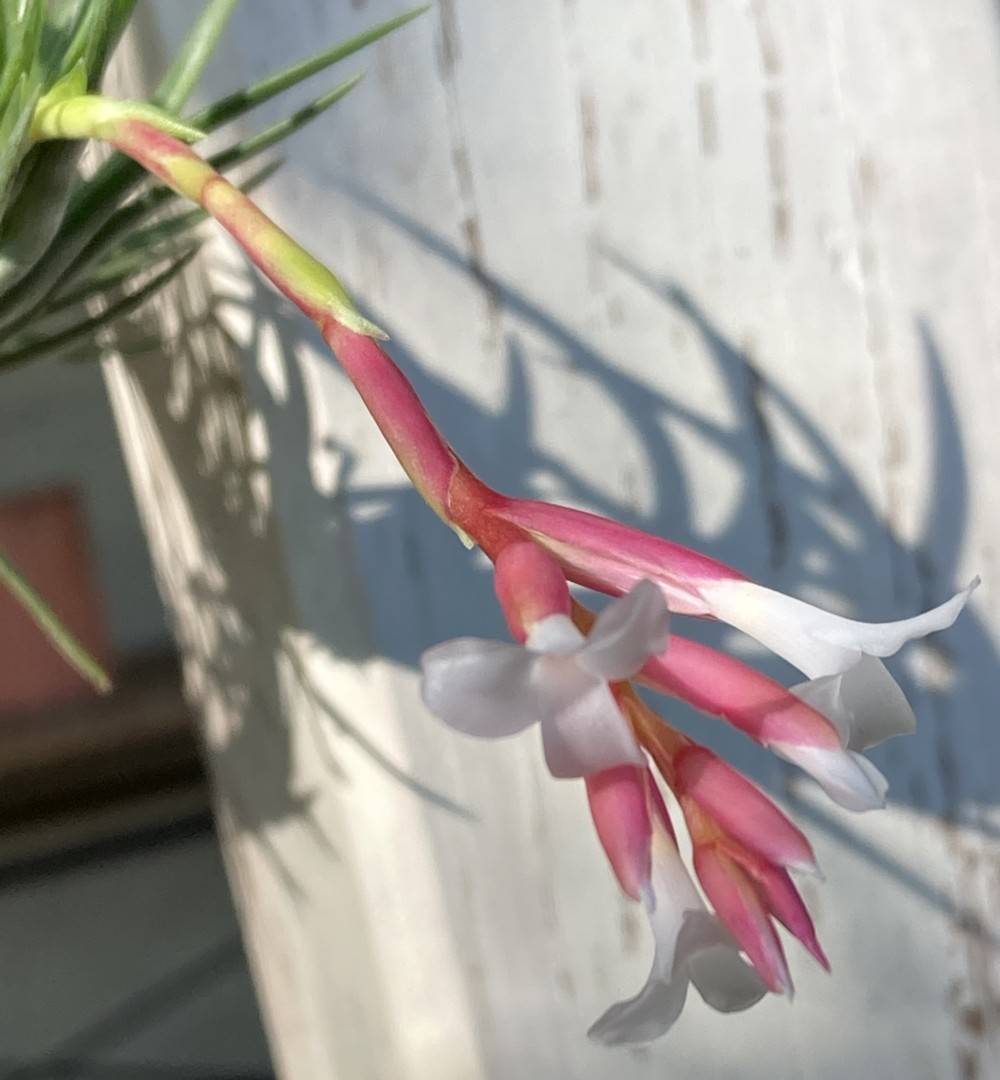
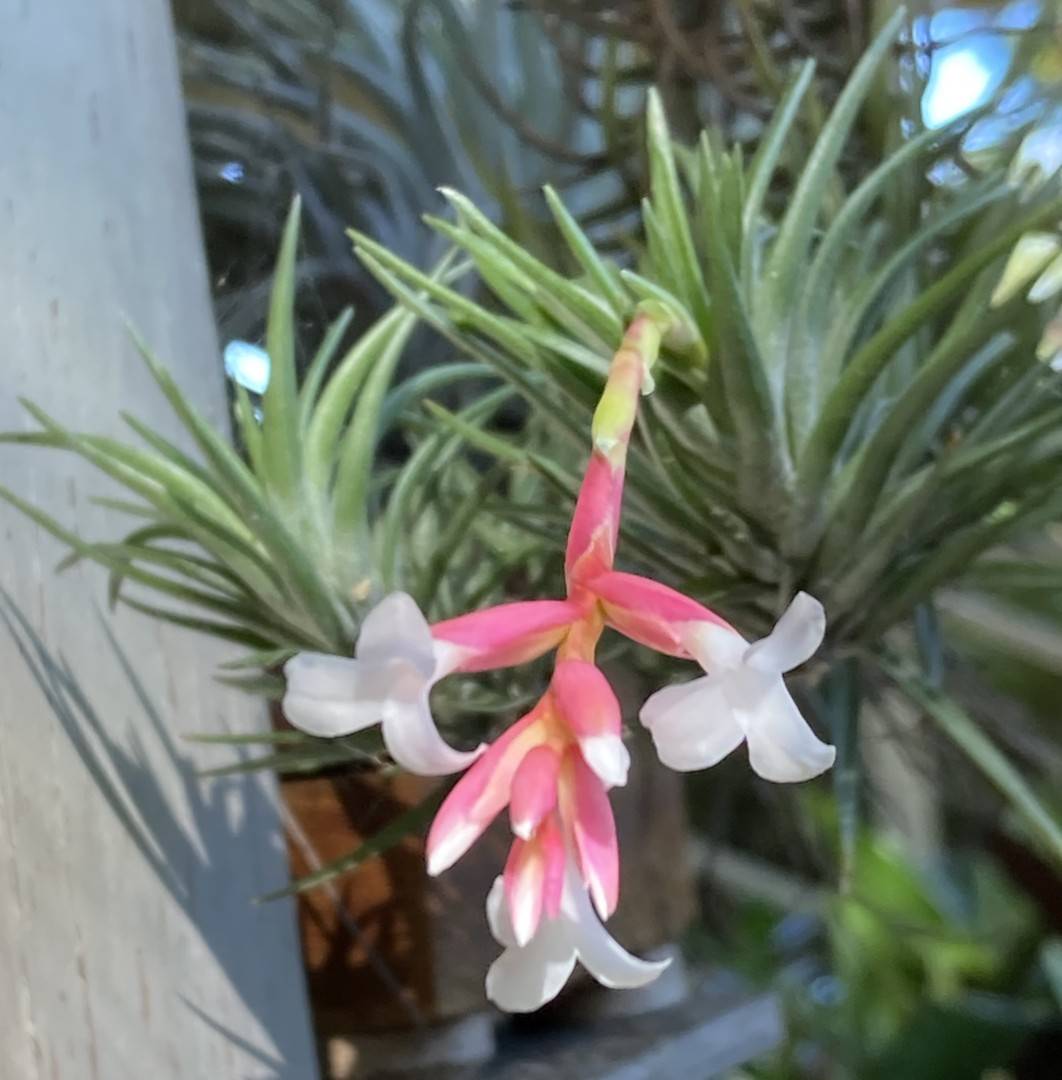
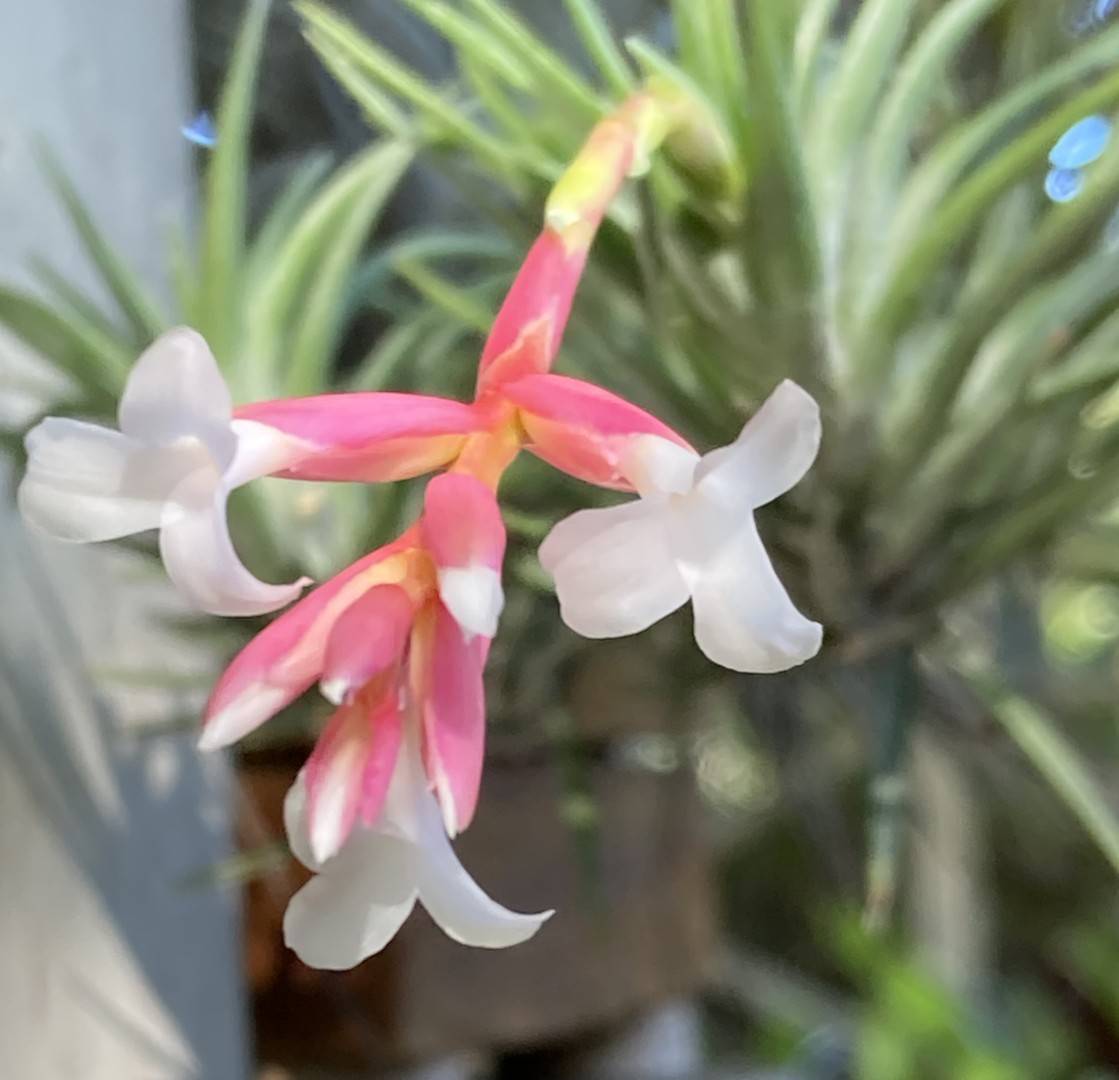
Key to T. tenuifolia group by E Gouda Jan 2002
1.Spikes excluding petals 1.8-2.5 cm long. Petals 1.6 cm long. Filaments adnate to the petals => T. pardoi
1. Spikes 2.5-5.5 cm long. Petals 2-3.3 cm long. Filaments free => 2
2. Sheaths very broadly ovate. Sepals oblong => T. cocoense
2. Sheaths deltoid. Sepals lanceolate => 3
3. Leaves 7-15 cm long. Spikes subdensely flowered. Floral-bracts just exceeding the sepals => T. tenuifolia
3. Leaves up to 7 cm long. Spikes laxly flowered. Floral-bracts much exceeding the sepals, to exceeding the sepals => 4
4. Plant caulescent clustering and forming dense rooting, single plant to 9 cm tall 5-6 cm in diameter, not dense. Floral-bracts much exceeding the sepals (ca. 0.25), the upper with very few scales near the apex. => T. hofackeri
4. Plant long caulescent with enlarged apices which fix them to rocks, flowering 15-30 cm tall, dense. Floral-bracts exceeding the sepals, glabrous => T. araujei
Tillandsia araujei Mez in Martius, Fl. Bras, 3(3): 600, pl. 112, fig. 2. 1894.
Desc from S&D p827-8
Plant caulescent, flowering 15-30 cm long; stem simple or few-branched; roots with enlarged apices which fix them to rocks.
Leaves densely polystichous along the stem, all secund-curved, 3-7 cm long;
Sheaths short, broadly triangular, white, glabrous at base;
Blades rigid, subterete, attenuate to a pungent apex, carinate, covered with fine appressed pale brown-centered scales.
Scape ascending, slender, exceeding the leaves, glabrous;
Scape-bracts imbricate, elliptic or obovate, membranaceous, rose, bearing thick linear lepidote blades.
Inflorescence simple with 5-12 polystichous flowers, 3-5 cm long, sublax.
Floral bracts ovate, acute, exceeding the sepals, membranaceous, rose, glabrous;
Flowers erect to divergent.
Sepals lanceolate, acute, 12-15 mm long, posteriorly high-connate;
Petals 20-30 mm long, white, the blades narrow, rounded;
Stamens included;
filaments lightly plicate near apex.
Capsule cylindric, to 25 mm long.
Type. Glaziou 16457 (lectotype B, B photo 1191/31; isotype P), Copacabana, Rio de Janeiro, Guanabara, Brazil.
DISTRIBUTION. Saxicolous or very rarely epiphytic, from near sea level to 850 m alt, central eastern Brazil.
BRAZIL. RIO DE JANEIRO (?): Serra dos Orgaos, Miers 4610(BM, K). GUANABARA: Copacabana, Glaziou 8019(P); 4 Nov 1884, 15463(B, US); 15464(B, GH); 1876, Schwacke 1410(RB); 2 Jun 1887, 5546(RB); Pedra Dois Irmaos, 15 May 1897, Ule 4175(CORD, HBG); 14 JuI 1915, Rose & Russell 20241(US); Pedra da Gavea, 1 Jul 1920,Hoehne s n(SP); Nov 1927, Ginzberger & Zerny 1585(W); 1586(W); 8 Apr 1952, L. B. Smith & Mus R 6425(R, US); 30 Apr 1953, Reitz 5682(HBR); Jardim Leblon, 17 Ju1 1927, Harshberger 851(US); Praia Leblon, Hoehne 30(SP); Avenida Niemeyer, 15 Mar 1929, Parker s n(US); 28 Mar 1929, Brade in L. B. Smith 2169(GH); Pedra Quilombo, 7 Jun 1931, Brade 10876(R); Corcovado to Tijuca, Jan 1935, Lutz 866(R); Jacarepagua, Feb 1935, Cochran s n(R); 17 Apr 1949,Pereira 622(RB); 16 Apr 1958, Pereira et al 3644(HB); Morro dos Cabritos, 1 Apr 1947 ,Duarte 959(RB); Praia de Grumari, Guaratiba, 11 Apr 1952, L. B. Smith & Mus R 6532(US, sterile, shade form with large leaves); Barra da Tijuca, 23 Apr 1954, Reitz 5840(HBR); Pontal de Sernambetiba, Aug 1964, Santos 5814(R); Pedra de Itauna (Tanhanga, ltanhanga), Recreio dos Bandeirantes, 15 Jan 1965, Santos 5350(R); 12 Nov 1965, Santos et al 5328(R, US). SAO PAULO: Ilha dos Alcatrazes, Santos, 20 Aug 1895, Loefgren s n(SP); Oct 1920, Luederwaldt & Fonseca s n(SP).
Tillandsia araujei Mez var. minima Pereira & Penna , Bradea 3 :90, 100. 1980.
Differt a forma typica planta tota valde minora.
TYPUS: Estado do Rio de Janeiro, Pedra da Gavea. Leg. Ivo de Azevedo Penna s.n. 3.Fev.1980. Holotypus HB no. 70.661.
As folhas muito curtas e so pouco curvadas desta planta, sem outros detalhes que permitissem considera-la especie a parte, fizeram-nos reputa-la uma variedade nao registrada de Tillandsia araujei Mez.
The short and little curved leaves of this plants, without other details which could permit to consider it a separate species, made us decide to describe it as a new variety of T. araujei Mez.
(See seperate web listing)
Updated 30/05/26