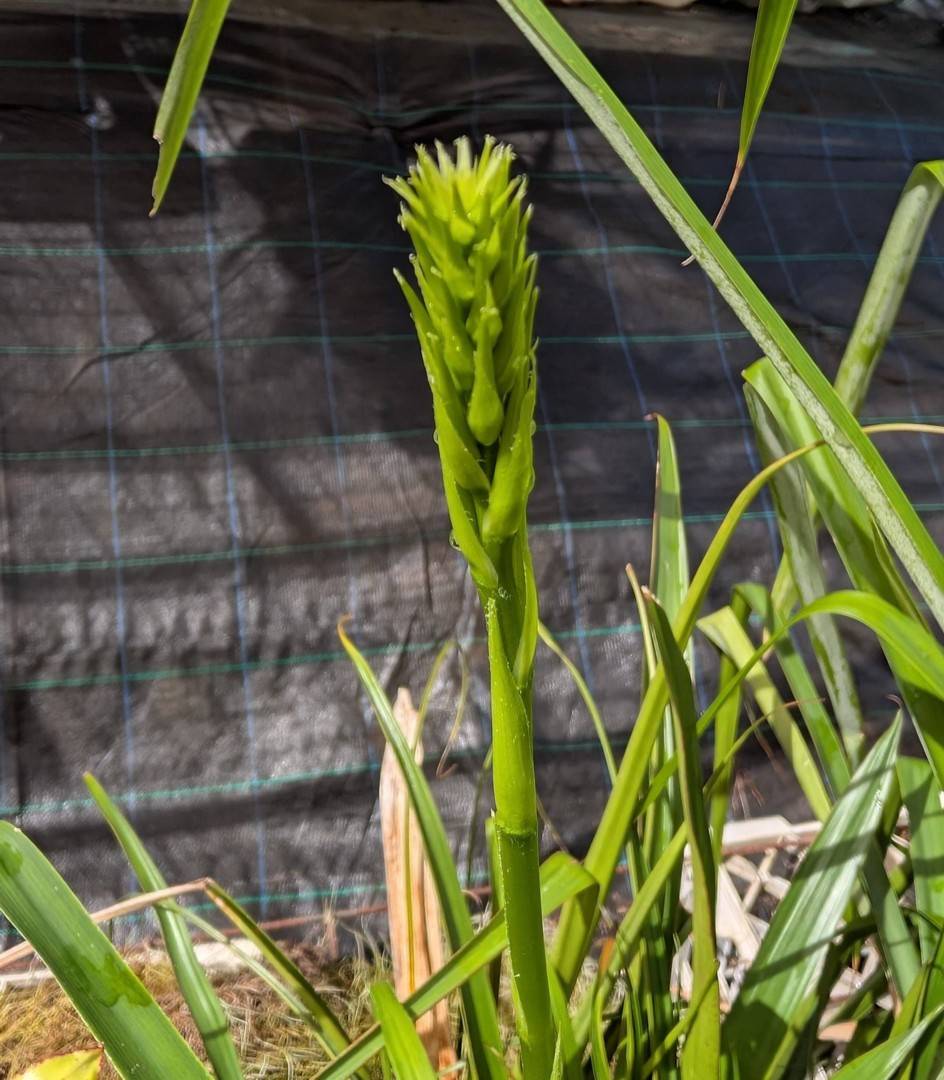
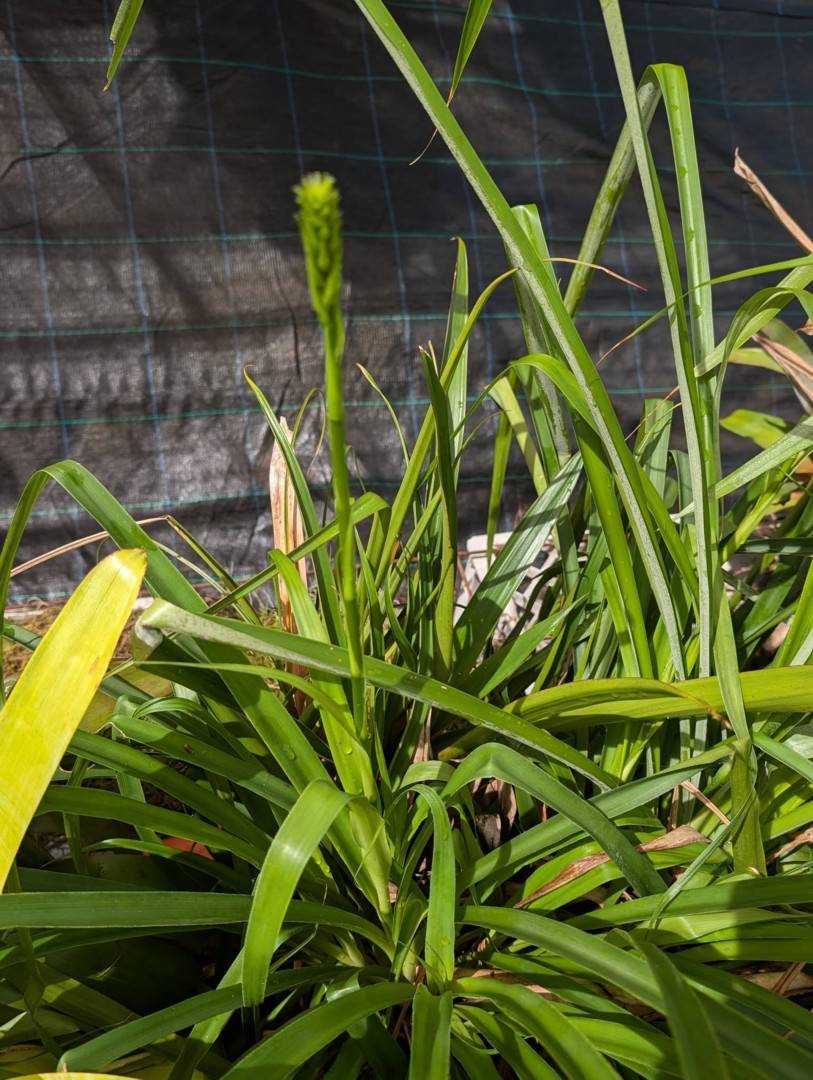
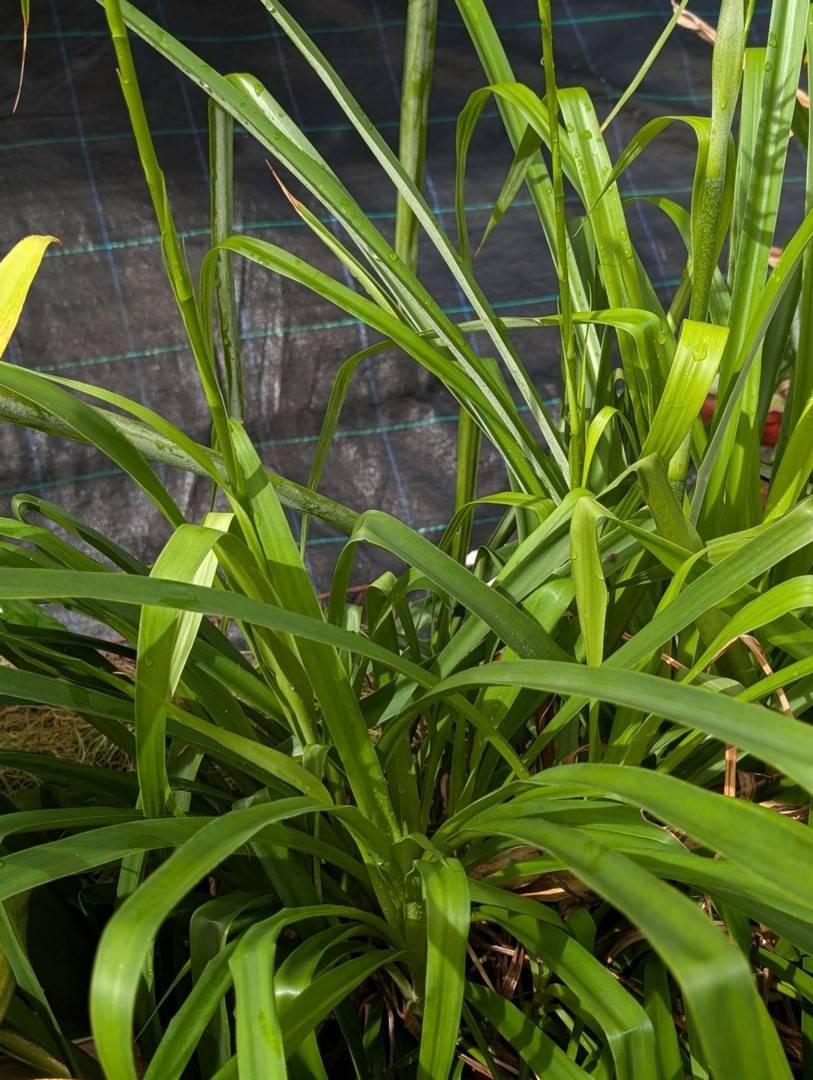
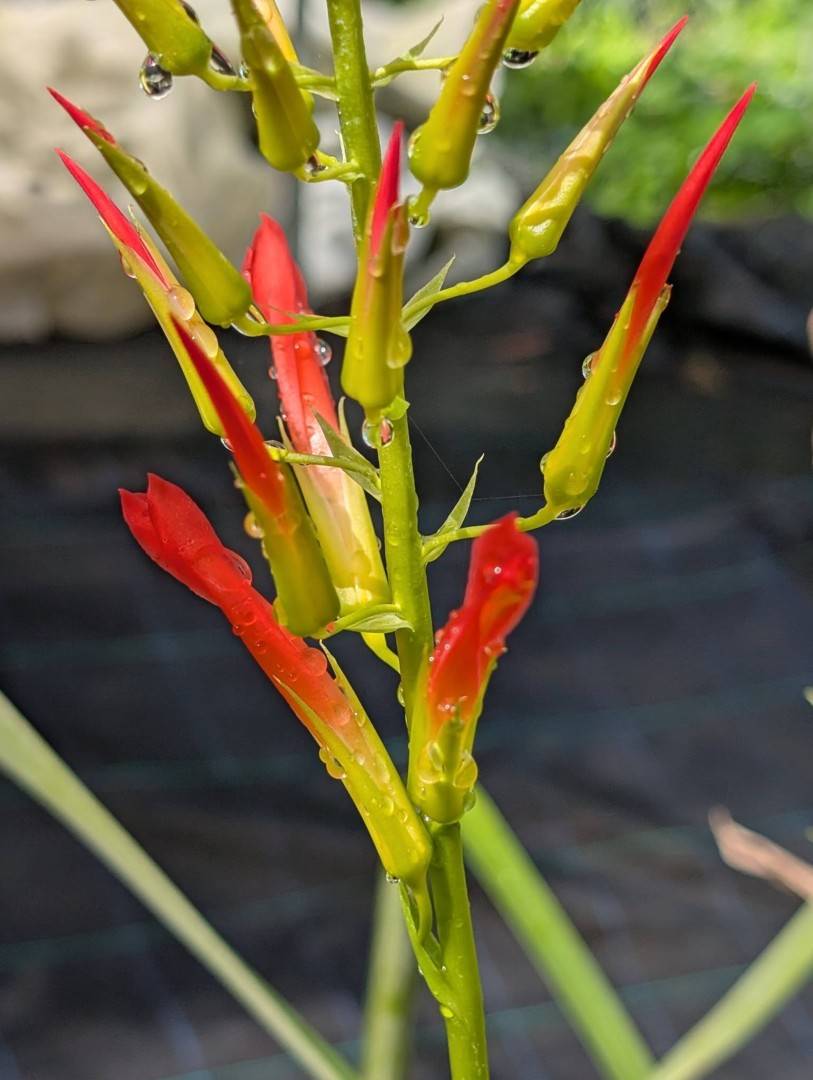
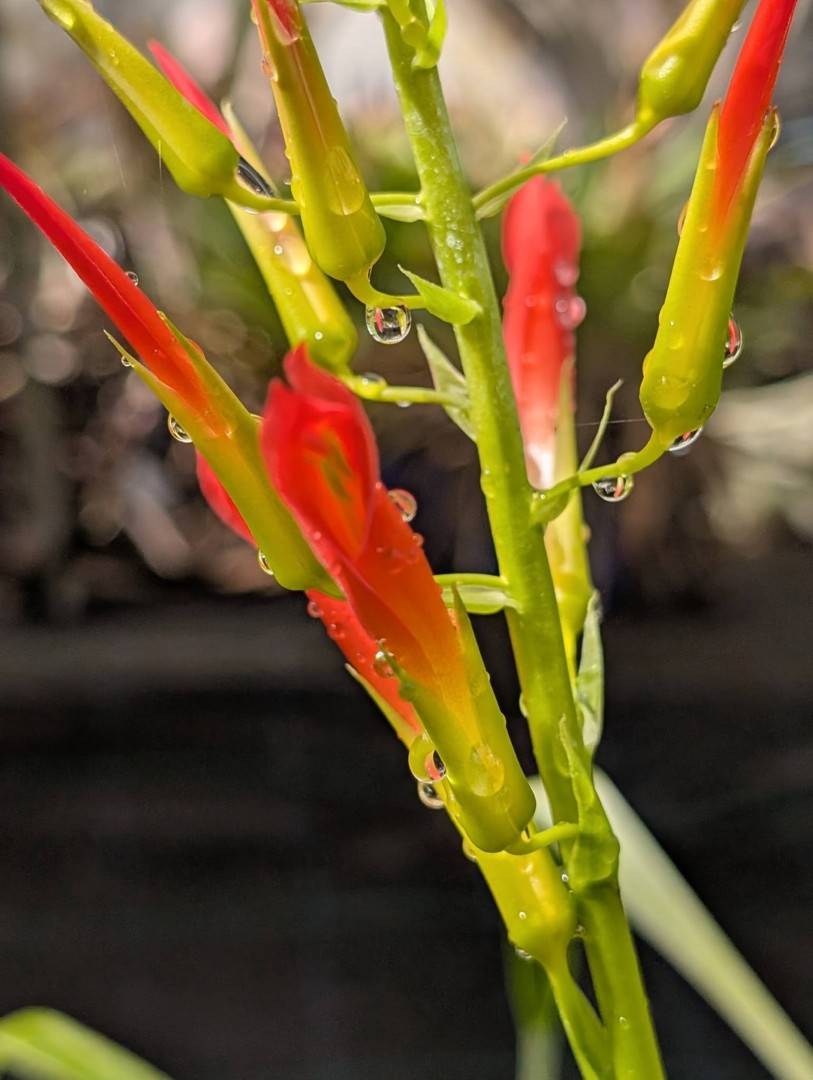
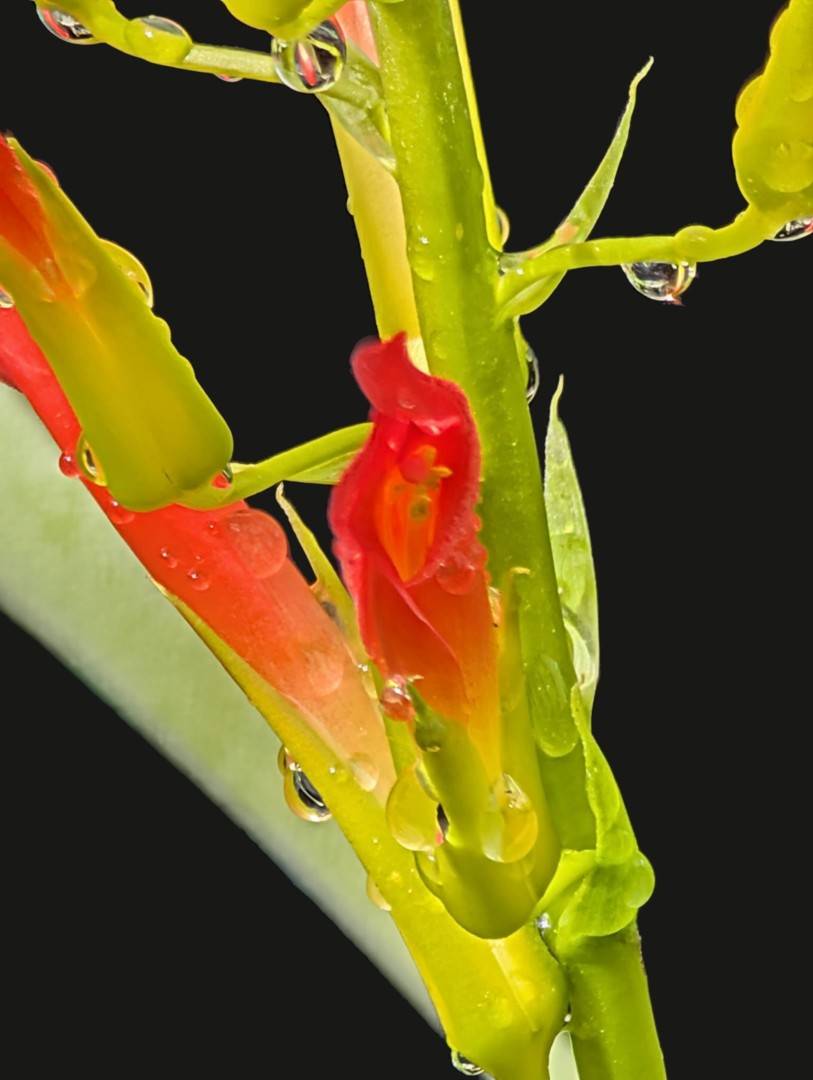
PITCAIRNIA CORCOVADENSIS Wawra, Oesterr. Bot. Zeitschr. 12: 384.1862; Wawra, Bot. Ergebnisse Reise Maximillian 1.160, t. 27. 1866.
TYPE: BRAZIL. Rio de Janeiro: Corcovado, Wawra & Maly 501, typified by the original description and plate. Corcovado, Estrada do Redentor, Mar 1997, T. Wendt 328 (epitype: RB).
Pitcairnia lancifolia Mez in Martius, Fl. Bras. 3(3): 447. 1894.-TYPE: BRAZIL. Rio de Janeiro: Serra dos Orgaos, 20 May 1869, Glaziou 3628 (holotype: BR; isotype: P!; photo RB! and HE!).
Hepetis corcovadensis (Wawra) Mez, DC. Monogr. Phan. 9: 973. 1896.
Hepetis lancifolia (Mez) Mez, DC. Monogr. Phan. 9: 974. 1896.
Pitcairnia lancifolia var. minor L. B. Sm., Bol. Mus. Nac. Rio de Janeiro 2(15): 4. 1952. TYPE: BRAZIL. Rio de Janeiro: Serra da Tijuca, Guanabara, 1931, Brade s.n. (holotype: R!; photo RB!).
Pitcairnia pumila Weber, Feddes Rep. 93(5): 347. 1982.-TYPE: BRAZIL. Rio de Janeiro: Serra dos Orgaos, Amanda and Michael Bleher s.n. (holotype: WEB, not seen).
Desc from Wendt in Systematic Botany (2000), 25 (3); pp389-398
Leaf blades linear, attenuate, persistent, homomorphic, entire, glabrous, narrowing slightly above the leaf sheath, 0.7-2.3 cm wide, 12-70 cm long.
Leaf sheath short, ovate, castaneous, glabrous.
Inflorescence racemose, 2-12 flowers, more frequently 4-6 flowers, with 1-4 flowers opening per day.
Scape erect or slightly curved, slender, glabrous, 17-45 cm long; scape-bracts few, linear, attenuate, the upper slightly shorter than the internodes.
Floral bracts narrowly triangular, 0.5-1.5 cm.
Pedicels slender, 0.8-2 cm long.
Sepals narrowly triangular, 1.5-3.5 cm long.
Petals red, erect but converging upwards and overlapping at anthesis, giving the flower a zygomorphic symmetry, unappendaged, 5.5-6.5 cm long.
Ovary semi-inferior; ovules bicaudate.
Fruit capsule with many seeds bicaudate.
Distribution and Habitat. Endemic to Rio de Janeiro State, growing on wet granite outcrops or on rocks near streams in tropical rain forest. Among species of Pitcairnia that occur in Rio de Janeiro State, P. corcovadensis is similar to P. flammea and P. carinata Mez in general appearance of flower shape and color. Pitcairnia flammea is highly variable in size showing plants with scape lengths 40-110 cm; in contrast, P. corcovadensis is less variable in size with scape lengths between 17-45 cm. Pitcairnia corcovadensis has few flowers per inflorescence (2-12) and flowers bracts (0.5-1.5 cm) not exceeding the pedicels length, while P. flammea has many flowers per inflorescence (30-120) and flowers bracts (1.5-4.5 cm) normally exceeding the pedicel length, except for P. flammea var. macropoda, which has long pedicels of 2.5-3.5 cm. Pitcairnia carinata can be as small as P. corcovadensis, but differ from it in having alate-carinate sepals.
The plate by Wawra (pl. 27, 1866), that typified P. corcovadensis, shows a plant with the lower floral bracts longer than the pedicels. However, other authors that described this taxon (Mez 1891-94, 1896, 1934-35; Baker 1889) described floral bracts shorter than the pedicels. This discrepancy was also noted by Smith (1943). Pitcairnia corcovadensis plants are usually shorter and have fewer flowers than what is presented on Wawra's plate. Because of the ambiguity, we indicate here an epitype based on material collected from the type locality that better exemplify the morphology of this taxon.
Pitcairnia lancifolia Mez, known only from the type, and P. lancifolia var. minor L. B. Sm., known from the type and one collection, are restricted to Serra dos Orgaos and Serra da Tijuca (which includes the Corcovado Mountain), where specimens of P. corcavadensis have been collected in large populations. The distinctive characteristic of P. lancifolia is the presence of petiolate leaves. However, a closer examination of these specimens reveals that rather than petiolate leaves {such as those found in P. sprucei Baker, for instance), the leaves of these plants are slightly narrowed just above the sheath, as can also be seen in P. corcovadensis. This observation indicates that the petiolate leaves characteristic has been wrongly attributed to P. lancifolia.
Pitcairnia pumila Weber is known only from the type collection at Serra dos Orgaos. It was described based on a depauperate specimen, of which not even the petals are known. There is no characteristic in the original description that can distinguish this species from P. corcovadensis.
Pitcairnia lancifolia var. lancifolia, P. lancifolia var. minor; and P. pumila are small plants with scape length, number of flowers per inflorescence and flower bracts length fitting the pattern defined to P. corcovadensis.
Recognition of Pitcairnia corcovadensis (Bromeliaceae) at the Species Level
by Tania Wendt, Maria Bernadete Ferreira Canela, Jane Elizabeth Morrey-Jones, and Anaize Borges Henriques in Systemic Botany 25(3); 389-98. 2000
ABSTRACT. Pitcairnia flammea var. corcovadensis was formed by the reduction of P. corcovadensis. The re-establishment of the latter taxon is based on two points: (1) P. corcovadensis occurs sympatrically with P. flammea in many locations, and (2) a morphometric analysis on a natural population involving these two taxa showed that they were distinct and no intermediate form was found despite their overlapping flowering seasons. Herbarium collections were examined to verify that this distinction is consistent throughout their geographic distribution. Despite the apparent reproductive isolation, artificial hybrids can be produced between P. corcovadensis, and P. flammea. Five morphological traits were recorded for 221 six-month old seedlings from artificial hybrids and parental taxa that were grown under the same controlled conditions. Analysis of variance and discriminant analysis on seedlings showed the differences to be genetically based. A brief review of the synonyms related to P. flammea complex concluded that P. lancifolia var. lancifolia, P. lancifolia var. minor, and P. pumila are synonyms of P. corcovadensis. A re-description, an epitype establishment, geographic distribution, description and list of material examined are provided for P. corcovadensis.
Pitcairnia L'Heritier (260 spp) is the largest genus in the subfamily Pitcaimioideae of the Bromeliaceae (Smith and Downs 1974).
In Brazil, Pitcairnia (38 spp) form three distinct geographic groups (Amazon region, central Brazilian, Atlantic forest), and most of these species have a limited distribution (Wendt and Chamas 1997).
Pitcairnia flammea Lind. is one the most morphologically variable Brazilian Pitcairnia species and is widespread along the Atlantic Forest. Smith (1943) reduced several species of Pitcairnia to varieties of P. flammea, taxa that he considered to be inconsistent as herbarium collections increased. Then he delimited five varieties in addition to the typical variety. One of these was formed by the reduction of P. corcovadensis Wawra. The keys proposed for varietal separation used terms such as "mostly" and "usually", and the measurement overlapped (Smith 1943; Smith and Downs 1974), reflecting the difficulties in delimiting varieties. Two more varieties were described later (Smith and Reitz 1967; Pereira 1977) increasing the taxonomic problems in this complex. Wendt (1994) revised the Pitcairnia species of Rio de Janeiro state and proposed five new synonyms to P. flammea, which easily fit in the wide morphological variation of this species. Wendt (1994) treated P. flammea only in the broad sense due to the difficulties in recognizing some of the varieties, and pointed out the necessity for additional studies on this subject.
In some species, particularly those in which complex patterns of variation are found, there is a genuine utility in circumscribing infraspecific taxa (Stuessy 1989). Hamilton and Reichard (1992) pointed out that the vast majority of plant taxonomists perceive a need for infraspecific classification, although many authors abandon previously recognized infraspecific taxa in order to increase clarity and simplicity of classification. Geographic distribution is an important component in the recognition of infraspecific taxa. If the ranges of morphologically distinct population systems are completely overlapping, they are probably reproductively isolated, and hence, best viewed as good species. Subspecies and varieties are worth considering when the distinctions are largely allopatric (Stuessy 1989). When Smith (1943) reduced P. corcovadensis to P. flammea var. corcovadensis, he apparently did not know that these taxa occur sympatrically in many localities throughout the range of P. corcovadensis. At Corcovado Mountain, the type locality of P. corcovadensis, they grow close together sometimes in mixed clumps. A study of reproductive biology conducted on these populations (T. Wendt, unpubl. data), showed that despite their very similar flower form and color and their overlapping flowering seasons, they do not share the same pollinators. No intermediate forms between them were observed. Despite this ethological isolation, hybrids can be produced by hand-pollination. This illustrates the point that related species may be generally interfertile, and their isolation in nature may depend largely on ecological and other external factors (Grant 1981).
The present work was undertaken to clarify the distinctiness of P. flammea var. corcovadensis within the P. flammea complex. The investigation involved: (1) a numerical analysis based on field studies of morphological characters on a mixed population of these taxa; (2) an examination of herbarium collections to verify the consistency of morphological differences along their geographic distribution; and (3) a morphometric analyses of seedlings of parents of the two taxa and their artificial hybrids. In the end, we decided to re-establish P. corcovadensis.
MATERIAL AND METHODS
Distinctions between P. corcovadensis and P. flammea.
We studied mixed populations of P. corcovadensis and P. flammea that grow side by side on a slope near the road Estrada do Redentor at Corcovado Mountain (22deg57'S, 43deg13'W). This is a tropical rain forest surrounded by urban development and an attractive tourist site within the city of Rio de Janeiro. Trees dominate the area, but granite outcrops are common and colonized by saxicolous herbs, of which the bromeliads studied are important physiognomic elements. Forty-three individuals were randomly selected in different patches at the study site. Twenty-four belonged to P. corcovadensis and nineteen to P. flammea. Nine morphometric variables were chosen: corolla length, corolla width, pedicel length, bract length, pistil length, distance of stigma from anthers, scape length, number of flowers per inflorescence, and number of opened flowers per day. The corolla width was measured at the widest point of the distal end, where the petals are most divergent. The distance from stigma to anthers indicates how much the stigma exceeds the anthers. These measurements were taken in the field in April 1996, when the two taxa were blooming together. Analysis of variance (ANOVA) was performed for each trait to detect differences between the taxa.
To estimate the consistency of differences throughout the geographic distribution of the species, we examined herbarium collections. Some of the traits are not preserved on dried material, thus we compared only the pedicel length, bract length, scape length, and number of flower per inflorescence. Approximately 120 herbarium specimens were examined from RB, R, HB, and GUA (Holmgren et al. 1990). Pitcairnia corcovadensis is known from three neighboring municipalities in the state of Rio de Janeiro, and P. flammea is widespread throughout the Atlantic forest (Fig. 1). All specimens collected of P. corcovadensis co-occurred with P. flammea (Fig. 1, Table 1).
For the re-establishment P. corcovadensis, we prepared a taxonomic treatment, which is given following the Discussion. No new description was proposed for P. flammea, because of its large number of varieties not all of which have been re-studied.
Morphometric Analyses of Seedlings of P. corcovadensis, P flammea, and their Artificial Hybrids.
Despite the absence of hybrid formation between P. corcovadensis and P. flammea in natural conditions, they can be produced artificially by hand pollination (T. Wendt, unpubl. data). Ongoing reproductive research by the first author supplied the seeds to produce the seedlings that were used for the morphometric analyses presented here. Seedling from three types of crosses were compared:
1. Seedlings grown from seeds from a single fruit formed by outcrossing hand-pollination on P. corcovadensis;
2. Seedlings grown from seeds from two fruits formed by crosses between P. corcovadensis (ovule donor) and P. flammea (pollen donor), and between P. flammea (ovule donor) and P. corcovadensis (pollen donor);
3. Seedlings grown from seeds from a single fruit formed by outcrossing hand-pollination on P. flammea.
Fully mature seeds were harvested in June 1997 from partially opened fruit capsules of P. corcovadensis and P. flammea in a greenhouse. The seeds were wrapped in soft paper and stored in bottles kept at room temperature. Before germination trials, seeds were removed from storage and washed initially in a solution with neutral detergent. They were disinfected by washing with 70% ethanol for 3 min followed by 0.6% sodium hypochlorite for 5 min in a polypropylene funnel (60 ml) with stainless steel mesh (160 µm pitch) at the end. The seeds were rinsed in a continuous flow of sterile distilled water for at least 3 min before transfer to the culture medium. The seeds were germinated in Petri dishes containing 40 ml of hormone-free medium with 1.3 µM tiamine, 30 µM piridoxine and 6 µM myo-inositol (Murashige and Skoog 1962). The pH was adjusted to 5.8 with KOH and the medium solidified with 0.9% agar before autoclaving at 101 lb, 121°C for 15 min. Cultures were maintained at 30°C under a 16 h photoperiod, with a light flux of 25 µmoles m-² s-¹. After two months, the seedlings were transplanted to bottles (12-24 seedlings per bottles) with the same culture medium, and kept at the same temperature and light condition. After four months the seedlings were harvested and the following traits were recorded: number of leaves, maximum width of the largest leaf, maximum length of the largest leaf, and dry weight. A total of 221 specimens representing the three groups of seedling were measured. An analysis of variance (ANOVA) was performed for each trait in each group of seedlings. Where the results of ANOVA were significant at P<0.05, a multiple comparison test (Tukey HSD) was undertaken to detect differences among groups of seedlings. Stepwise Discriminant Analysis was also performed to examine multivariate morphometric differences among the seedlings of P. corcovadensis, P. flammea, and hybrids. All statistical tests were done following STATISTICA 4.2 procedures of Statsoft, Inc. (1993).
RESULTS
Individuals of P. corcovadensis and P. flammea growing in mixed clumps at Corcovado (Fig. 2A, B), were statistically different for seven of the nine morphological traits (corolla width, bract length, pistil length distance stigma-anther, scape length, number of flowers per inflorescence, and number of opened flowers per day). Only two traits (corolla and pedicel length) were not significantly different (Table 2).
The morphological traits that distinguish P. corcovadensis from P. flammea (Fig. 3) in natural conditions at Corcovado Mountain were consistent with distinctions found in herbarium collections. No intermediate forms between these morphological traits were found, although all material of P. corcovadensis collected co-occurred with P. flammea, and in many localities the two species even grow side by side (Fig. 1; Table 1). The sole exception was P. flammea var. macropoda L. B.Sm. & Reitz which shows scape and floral bract length similar to P. corcovadensis, but differs from the latter in having longer pedicels (2.5-3.5 cm) and more than 12 flowers per inflorescence. The former taxon does not co-occur with P. corcovadensis, and there were few specimens of it in herbaria.
Morphological analysis of the seedlings (Fig. 2C) showed that mean values differed significantly among seedling groups for all the morphological attributes (Table 3). In three of the four traits, the mean values of P. corcovadensis and P. flammea differed significantly. The hybrid seedlings differed from their parental counterparts (mother or father) in at least two morphological traits (Table 3).
Scatter plots of the discriminant function results are presented in Fig. 4. In the seedling analysis, root 1 separates hybrid seedlings to some extent from parental seedlings, but the isolation is incomplete. Based upon discriminate function 1 and 2, P. corcovadensis is somewhat separated from both P. flammea and hybrid, but segregation is not complete. The standardized coefficients for the canonical variable indicate that leaf length and leaf width contribute most to discriminate function 1. The discriminant function 1 and 2 account for 100% of the variability. Even though the analysis of seedling does not produce a scatterplot of completely isolated clusters, the classification results show an 87% correct identification. The discriminant function analysis, not including the hybrid data showed an increase of correct identification from 80 to 93% in P. corcovadensis, and from 77 to 85% in P. flammea (Table 4).
DISCUSSION
The morphological traits identified as distinctive to P. corcovadensis or P. flammea in a mixed population in the field were consistent in our examination of herbarium material. The adult specimens deposited in herbaria are easily recognized without ambiguity and no intermediate forms were observed. Discriminant function analysis based only upon vegetative data on young seedlings generated loose patterns of discrimination with overlap of individuals among the taxa. However, some degree of segregation was observed with a high percentage of "grouped" cases correctly classified (95% to hybrid, 80% to P. corcovadensis, 77% to P. flammea; without hybrids, 93% to P. corcovadensis, and 85% to P. flammea). Because these differences were shown by seedlings grown under the same conditions, we suggest that they are genetically determined and further support our recognition of P. corcovadensis at the species level.
There are many different species concepts. Behind these definitions, there are correspondingly different goals (Templeton 1989). Thus, no single definition will be appropriate for all organisms (Quicke 1996). The "taxonomic species" is based on morphological likeness, being an assemblage of morphologically similar individuals that differs from other such assemblages. The criterion of morphological distinction has the disadvantage that the amount of difference worthy of species rank cannot be prescribed objectively (Grant 1981). Despite the apparent limitations of the traditional taxonomic species concept, it remains the primary basis for circumscribing nearly all plant species. There is no way to decide objectively if a given taxon is a species or a variety; however, it is widely advocated that the variety should be used for recognizing geographic variation of ordinary species, thus allopatric distribution of different varieties is to be expected (Stuessey 1989). As the geographic distribution of P. corcovadensis is completely contained within the range of P. flammea, and at many sites the plants grow side by side, we believe P. corcovadensis is worthy of species-level recognition.
The most widely used framework for defining species is the biological species concept (Mayr 1942). It claims that a species is a group of interbreeding populations that are genetically isolated from other groups by reproductive isolating mechanisms. There are many difficulties in the application of this concept (Cracraft 1989). Only rarely does the plant taxonomist have data on reproductive isolation and gene flow among populations. A strict application of the biological species negate the possibility of hybridization between species. Interspecific hybridization is widespread in plants, but logically cannot be rampant throughout the range, otherwise the distinctiveness of the taxa involved would dissolve to nothing. Evolutionary biologists have generally applied the term natural hybridization to those cases involving crosses between individuals belonging to different species (Rieseberg 1997). Many experimental crosses involving different species result in viable hybrids (Stort 1984; Bashaw, Hussey and Hignight 1992; Sorensson and Brewbaker 1994; Hodges, Burke and Arnold 1996). Thus, individuals from divergent lineages could form viable, fertile hybrids, and this would not represent a violation of biological species concept (Arnold 1997). Pitcairnia corcovadensis and P. flammea are sympatric and, although they can hybridize by hand-pollination, no natural hybrids were found. This indicates that in all likelihood some barriers to hybridization exist. The artificial hybrids do not invalidate our conclusion since, as Grant (1981) pointed out, breeding barriers need not be 100% effective and may often be indirect in the sense of being manifest in ecological or ethological isolation. Therefore, considering both the taxonomic and the biological species concept, we re-establish P. corcovadensis as a species.
From S&D
133c. Pitcairnia flammea var corcovadensis (Wawra) L. B. Smith, Arq. Bot. S. Paulo II. 1: 112. 1943.
Pitcairnia corcovadensis Wawra, Osterr. Bot. Zeitschr. l2: 384. 1862.
Hepetis corcovadensis (Wawra) Mez, DC. Monogr. Phan. 9: 973.1896.
Leaf-blades glabrous. Inflorescence lax, few-flowered, remaining pale; axis glabrous.
TYPE. Wawra & Maly 501 (W, lost, so typified by description and later illustration: Wawra, It. Max. 160, pl. 27. 1866), Corcovado, Rio de Janeiro, Guanabara,Brazil.
DISTRIBUTION. At 800-850 m alt, Rio de Janeiro and Guanabara, Brazil.
BRAZIL. RIO DE JANEIRO: Teresopolis, 1917, Frazao s n (11519, RB); Teresopolis to Garufao, 13 Jun 1940, Brade 16295 (RB); Furquilha, Santa Maria Madalena, Jun 1933, Santos Lima 154 (RB). GUANABARA: Rio de Janeiro, Widgren 76 (S); Pedra da Gavea, Glaziou 12237 (K); 8 Apr 1952, Smitb & Mus. R 6429 (R, US); Corcovado, (Ule 4166 (CORD, R); Serra da Carioca, 19 Mar 1935, Brade 14380 (B, RB);Estrada do Redentor, 21 Feb 1945, Occhioni 40 (RB).
Pitcairnia lancifolia Mez, Mart. Fl. Bras. 3(3): 447. 1894. NOW treated as a synonym of P. corcovadensis by Wendt in Systematic Botany (2000), 25 (3); pp389-398
Desc from S&D
Plant stemless, flowering about 4 dm high.
Leaves few, fasciculate, about equaling the inflorescence, all alike, entire;
sheaths broadly ovate, brown; petioles slender, to 7 cm long, deeply channeled;
blades lanceolate, long-attenuate, 17 mm wide.
Scape erect, slender, glabrous;
scape-bracts few, lanceolate, acuminate, the upper slightly shorter than the internodes.
Inflorescence densely racemose, few-flowered, 10 cm long, glabrous.
Floral bracts narrowly ovate, acuminate, 2-6 times shorter than the pedicels, membranaceous;
flowers erect;
pedicels slender, to 2 cm long.
Sepals narrowly triangular, attenuate, 24-35 mm long, 3.5 mm wide, ecarinate;
petals linear, 55 mm long, naked, red;
ovary 3/4 superior.
Capsule slenderly ovoid; seeds caudate.
Pitcairnia lancifolia var lancifolia
Hepetis lancifolia (Mez) Mez, DC. Monogr. Phan. 9: 974. 1896.
Sepals 35 mm long.
TYPE. Glaziou 3628 (holotype, BR; photo, GH), Serra dos Orgaos, Rio de Janeiro, Brazil.
DISTRIBUTION. Known from the type collection only.
Pitcairnia lancifolia var minor L.B. Smith, Bol. Mus. Nac. Rio de Janeiro II. (15): 4. 1952.
Plant smaller.
Sepals scarcely more than 24 mm long.
TYPE COLLECTION. Brade s n (holotype, R 46830;. photo, US), Serra da Tijuca, Guanabara, Brazil, 1931.
DISTRIBUTION. Saxicolous in forest, east central Brazil:
BRAZIL. RIO DE JANEIRO: Dedo de Deus, Teresopolis, 3 May 1914, Sampaio 2444 (R).
Treated as a synonym of Pitcairnia corcovadensis by Wendt in Systematic Botany (2000), 25 (3); pp389-398
Pitcairnia pumila Weber, Feddes Rep. 93(5): 347. 1982.
A Pitcairnia pusilla Mez 1896 cui affinis, bracteae scapalis internodiis brevioribus et sepala majoribus differt.
Planta modesta, florifera 10-12 cm alta. Folia homomorpha. persistentia, rosulata, 6-8 cm longa, usque ad 10 mm lata, viride concolora, subglabra. Vaginae foliorum indistinctae, ovatae, usque ad 10 mm longae. Laminae supra, vaginae paullo angustioribus, longe acuminatae, divaricatae vel recurvatae, submembranaceae, undulato-marginatae, inermis, Scapus gracilibus, erectus, 75 mm longus, internodiis 15-20 mm longis. Bracteae scapalis subfoliaceae, internodiis brevioribus. Inflorescentia simplex, laxe 2flora. Flores ca. 15 mm pedicellatis. Bracteae floralis late-ovatae, acuminatae, 3 et 6 mm longae. Sepala anguste lanceolate, acuta, ecarinata, nervata, usque ad 15 mm longa. Petala ignota (coccinea Bleher!). Ovario 2/3 superioris. Capsula oviformis, 7 mm longa. Seminis bicaudatis, 3 mm longis.
Habitat: Brasilia, Serra dos Orgao, in declivia humida et graminea inter 500 et 1000 m sm., leg. Amanda et Michael Bleher s. n., Holotypus: WEB 131.
Pflanze zierlich, bluhend nur 10-12 cm hoch. Blatter homomorph, ausdauernd, 6-8 cm lang, bis 10 mm breit, rosettenformig angeordnet, einfarbig hellgrun, kaum beschuppt. Blattscheidcn oval, bis 10 mm lang. Blattspreiten uber den Scheiden wenig verschmalert, lang zugespitzt, ziemlich dunnhautig, Rander unbewehrt und gewellt. Infloreszenzschaft aufrecht, sehr dunn, 75 mm lang, Internodien 15 bis 20 mm lang. Schaftbrakteen blattartig, kurzer als die Internodien. Infloreszenz einfach, locker 2blutig. Bluten mit ca. 15 mm langem, aufwartsgekrummtem Pedicel. Blutenbrakteen breit-oval, zugespitzt, 3 und 6 mm lang, Sepalen schmal-lanzettlich, spitz, ungekielt, genervt, bis 15 mm lang. Petalen nicht gesehen (leuchtend rot Blehern!). Ovar 2/3 oberstandig. Samenkapsel eiformig, 7 mm lang. Samen an beiden Enden lang geschwanzt, etwa 3 mm lang.